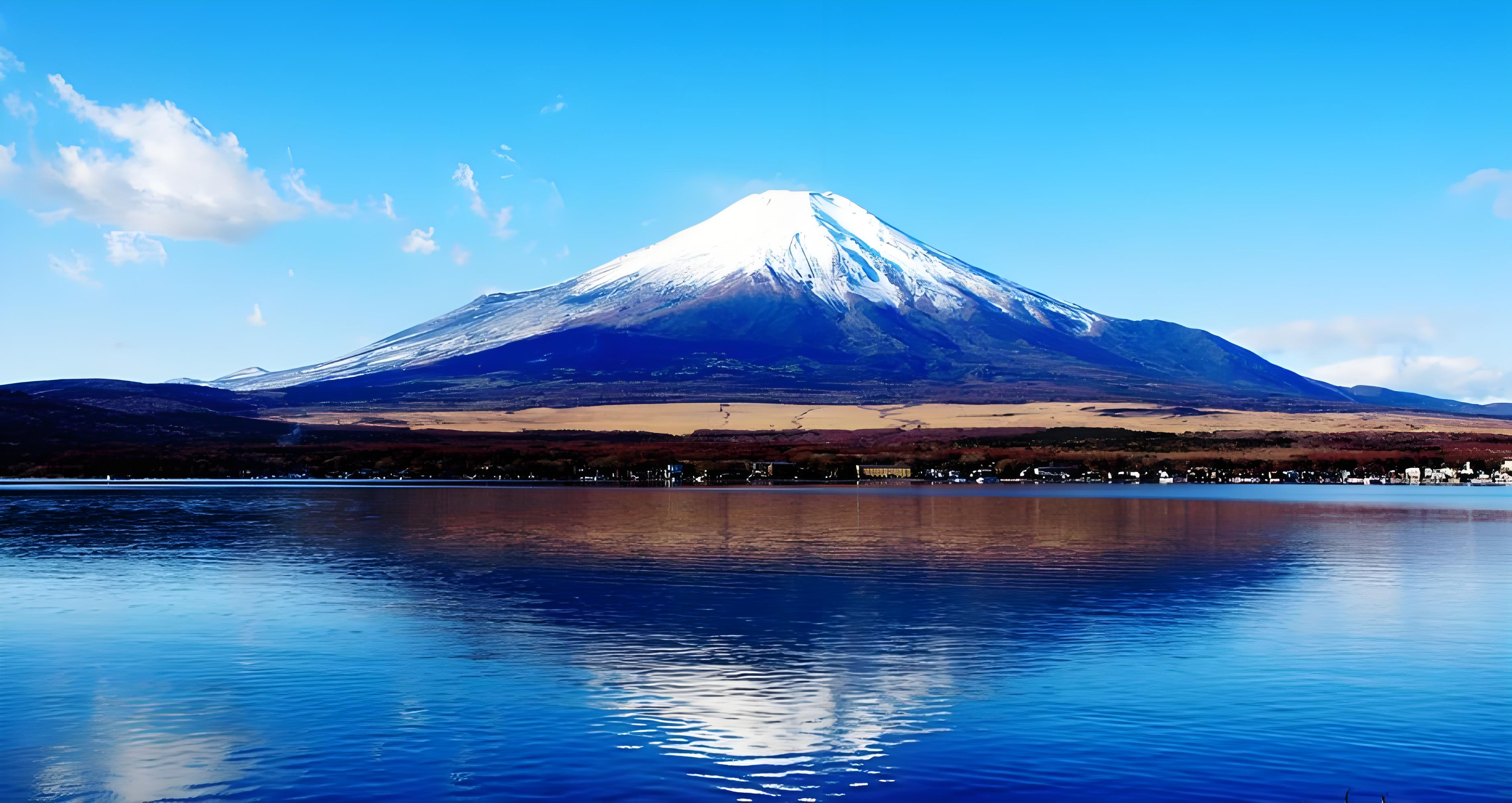
The Japanese Trademark Protection System The purpose of Japan’s Trademark Law is to protect trademarks, maintain the business reputation of trademark users, promote industrial development, and protect the interests of consumers. A trademark should be recognizable through human perception, including text, graphics, symbols, three-dimensional shapes, colors, or combinations thereof, as well as sound or other […]
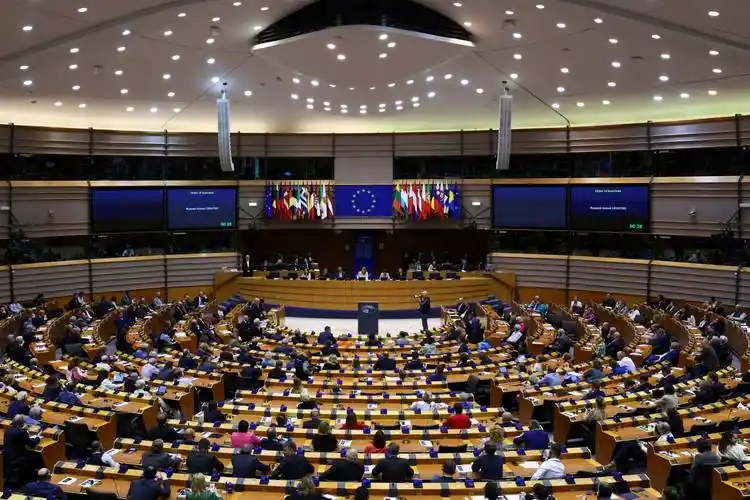
European Union Intellectual Property Office The European Union trade mark (EUTM) runs parallel to domestic trademarks in EU countries and does not conflict with each other. However, trademarks that have already been registered or applied for registration within each member state of the European Union constitute prior rights against EU trademark registration, and vice versa. […]
The European Commission’s Trademark Protection System The EU regards geographical indications as a separate type of intellectual property right outside of trademarks, and has developed specialized laws to provide specific protection for geographical indications. Registering a geographical indication can confirm that the specific quality, features, or reputation of a particular product primarily comes from its […]
Nicaragua’s Trademark Protection System The Nicaraguan Trademark and Other Distinctive Marks Law (translated as WIPO) provides protection for trademarks, trade names, emblems, commercial advertisements, geographical indications, and names of origin. Registering these distinctive marks grants their owners the exclusive right to prohibit or license third-party use of the relevant marks. The protection of distinguishing marks […]
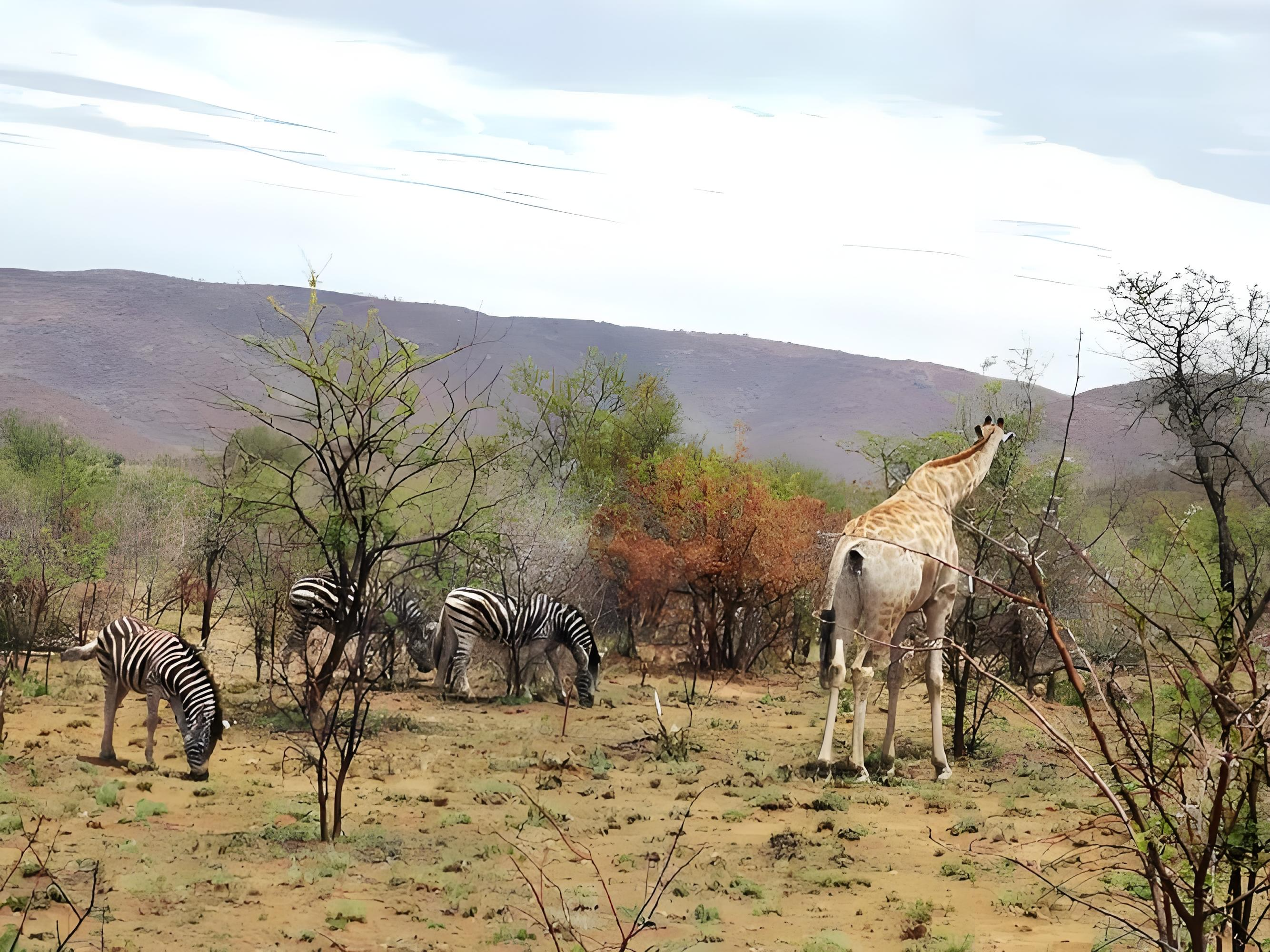
South African Trademark Protection System Due to South Africa’s history as a British colony, its trademark laws and system were deeply influenced by Britain. South Africa follows a single classification system and must submit registration applications separately according to the categories of goods protected by trademarks. Due to the fact that South Africa is not […]
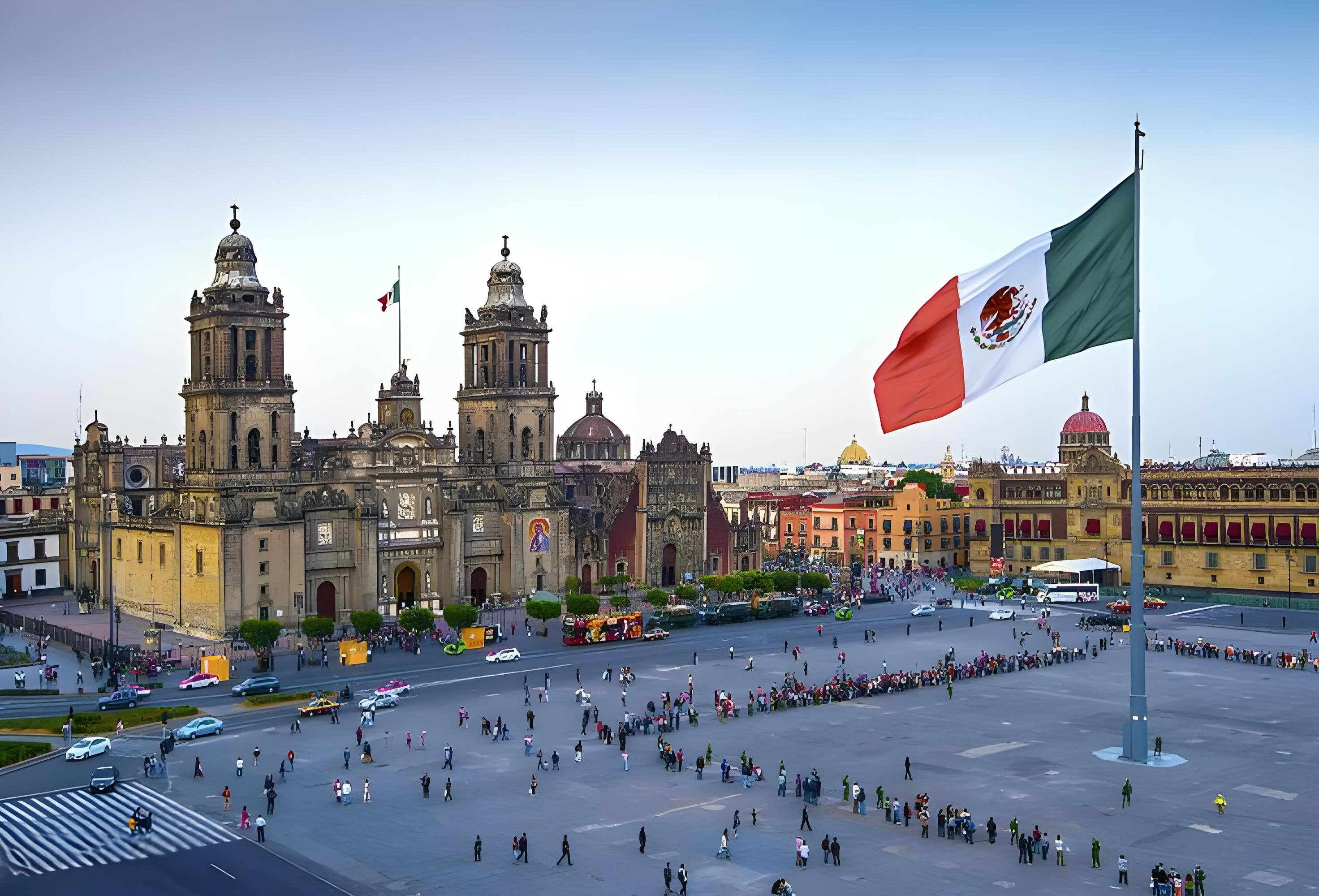
Mexican Trademark Protection System With the implementation of the United States Canada Mexico Agreement in Mexico, the relevant intellectual property system in Mexico has also been revised. The latest Federal Act on Intellectual Property Protection was announced on July 1, 2020 and officially came into effect on November 5, 2020. Some important revisions include: changing […]
The US Trademark Protection System According to US law, a trademark is any word, phrase, symbol, design, or combination thereof used to identify the source of goods or services, including goods trademarks, service trademarks, collective trademarks, and certification trademarks. Traditionally, trademark rights within the United States are first established through the use of a logo […]
Latvian Trademark Protection System In Latvia, a trademark refers to any symbol that can be represented graphically and can distinguish a company’s goods or services from those of other companies. Latvia registers trademarks in accordance with its Trademark and Geographical Indication Law. Once a trademark is authorized, no one is allowed to use it within […]
Korean Trademark Protection System In November 1949, South Korea promulgated and formulated the Trademark Law. On March 5, 1963, with the revision of the Franchise Law and Civil Procedure Law, South Korea revised the Trademark Law. In 1979, South Korea joined the World Intellectual Property Organization (WIPO). In 2002, the Korean Intellectual Property Office (KIPO) […]
African Patent Protection The African Regional Intellectual Property Organization (ARIPO) is a regional organization for intellectual property protection in English speaking countries in Africa. At present, it has 19 member countries, namely Botswana, Gambia, Ghana, Kenya, Lesotho, Malawi, Mozambique, Namibia, Sierra Leone, Liberia, Rwanda, Sao Tome and Principe, Somalia, Sudan, Eswatini, Tanzania, Uganda, Zambia and […]
Warning: Undefined variable $process_query in /home/wpsvaome/public_html/xiebig.wpsvaomega.com/wp-content/themes/pinkeman/pinkeman/index.php on line 54